Shandong Science ›› 2025, Vol. 38 ›› Issue (6): 22-28.doi: 10.3976/j.issn.1002-4026.2025050

• Oceanographic Science,Technology and Equipment • Previous Articles     Next Articles

Experiment on a fine-scale marine drifting buoy observation network

LI Bin1(), ZHANG Wen1,*(), LI Yunzhou2, ZHAO Qiang2, XU Dengke1   

  1. 1. College of Meteorology and Oceanography, National University of Defense Technology, Changsha 410073, China
    2. Institute of Oceanographic Instrumentation, Qilu University of Technology (Shandong Academy of Sciences), Qingdao 266061, China
  • Received:2025-05-09 Revised:2025-05-26 Published:2025-12-20 Online:2025-10-14
  • Contact: ZHANG Wen E-mail:18873192712@163.com;zhangwen06@nudt.edu.cn

Abstract:

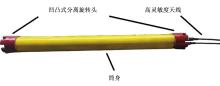
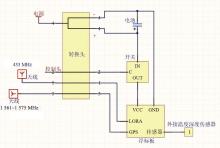
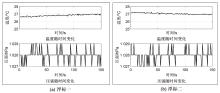
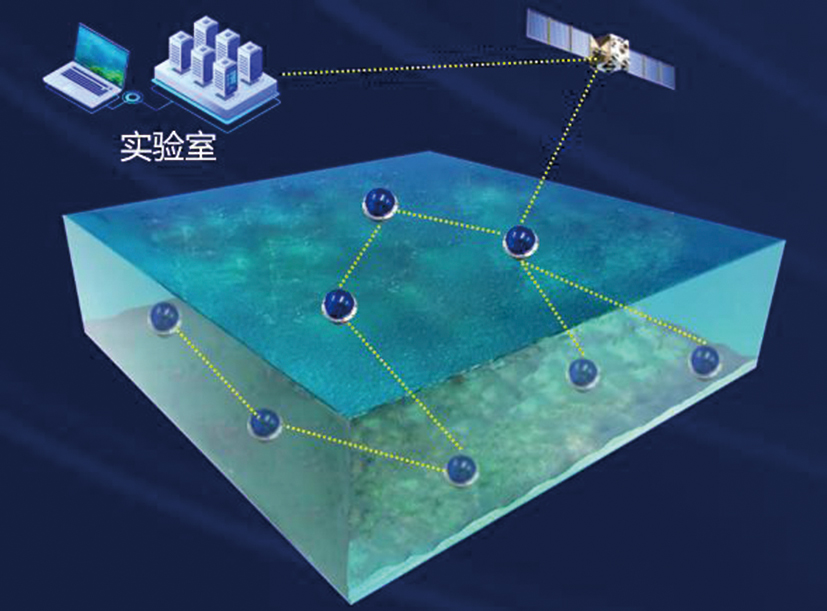
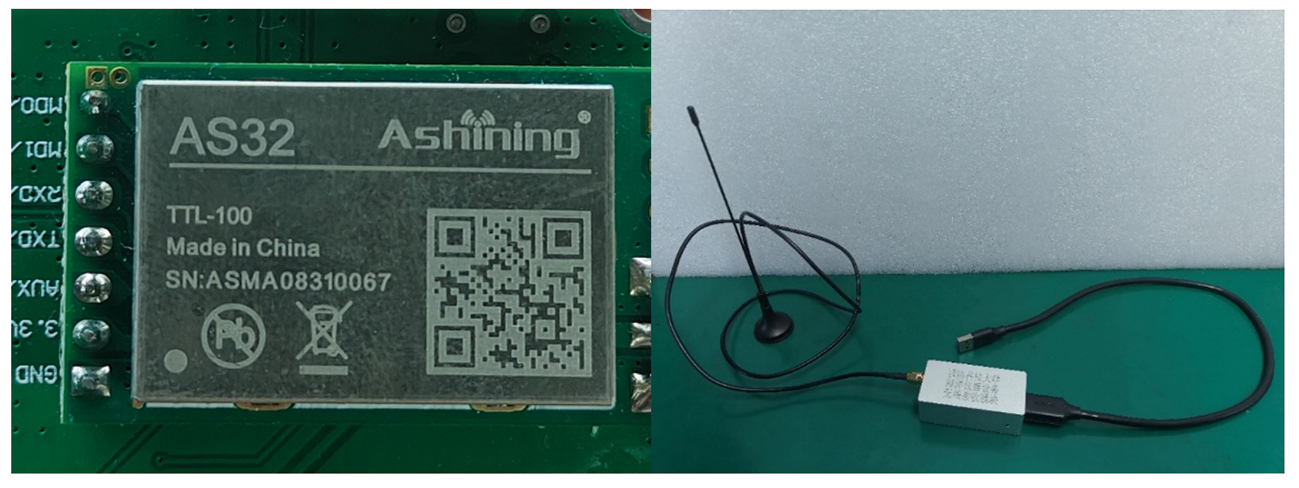
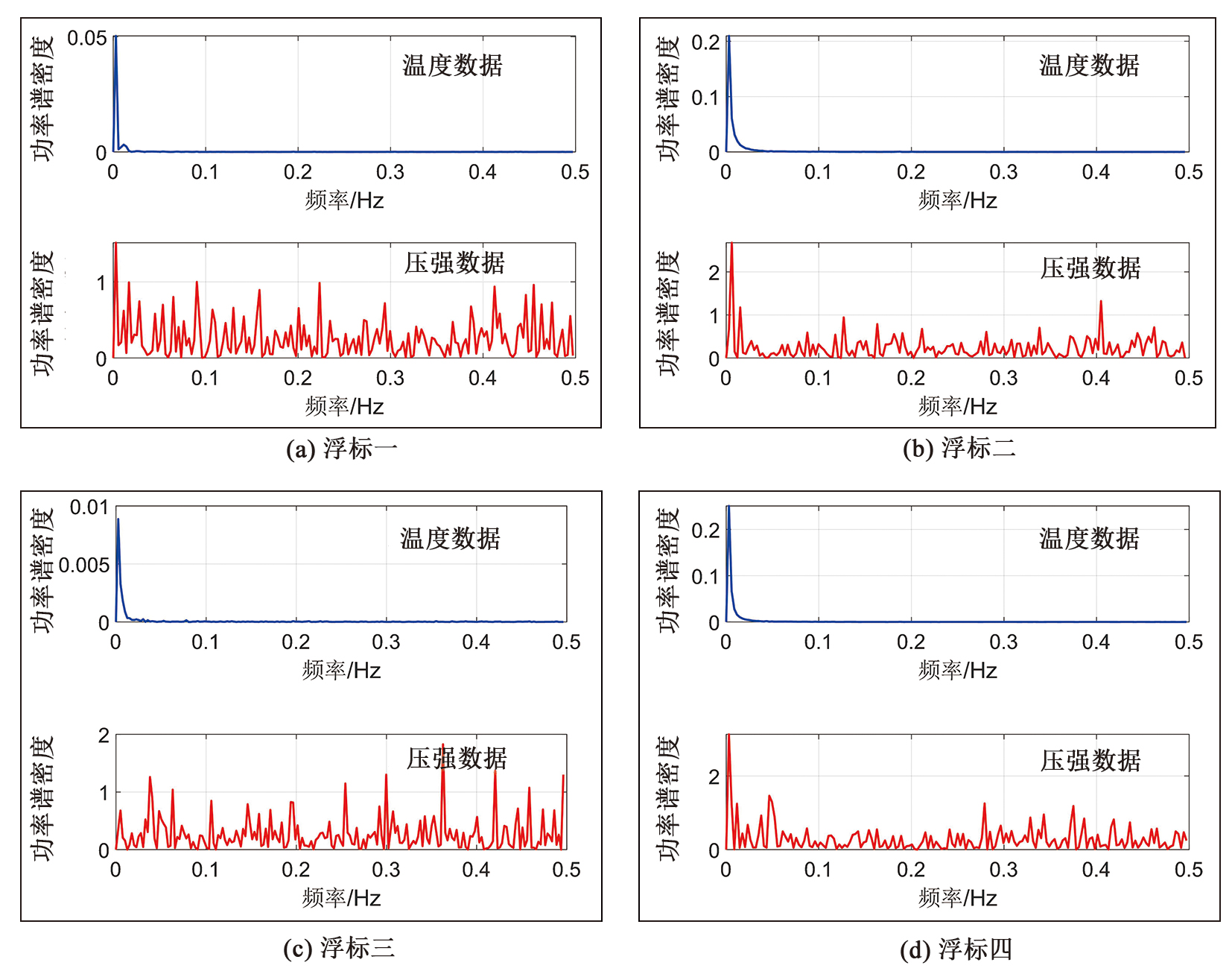
An innovative marine fine-scale drifting buoy and its networked observation system were designed. The buoy hardware featured a self-developed detachable wave-resistant structure and low-power core component integration technology. With the help of its dual-antenna communication architecture, the buoy was subjected to laboratory and field lake tests to quantitatively evaluate its measurement accuracy, environmental adaptability, and data stability. Based on LoRa-enabled distributed IoT communication technology, an innovative topological networking architecture was used to construct a four-node, 10 km-scale 3D observation network with a packet loss rate of less than 0.1%. FFT spectral analysis was conducted to analyze data features, and a noise reduction method was proposed. Test results showed that the network could synchronously capture quasi-steady-state ocean environmental data, providing a scalable solution for high-density, multi-dimensional, fine-scale ocean monitoring. The research results were applied in teaching practice. In addition, expansion to a 10-node network has been planned to advance the engineering application of fine-scale ocean observation technology.

Key words: marine drifting buoy, buoy observation network, Internet of Things communication technology, LoRa

CLC Number: 

  • P715.2

Open Access This article is licensed under a Creative Commons Attribution-NonCommercial 4.0 International License (CC BY-NC 4.0), which permits third parties to freely share (i.e., copy and redistribute the material in any medium or format) and adapt (i.e., remix, transform, or build upon the material) the articles published in this journal, provided that appropriate credit is given, a link to the license is provided, and any changes made are indicated. The material may not be used for commercial purposes. For details of the CC BY-NC 4.0 license, please visit: https://creativecommons.org/licenses/by-nc/4.0