

Shandong Science ›› 2026, Vol. 39 ›› Issue (1): 121-132.doi: 10.3976/j.issn.1002-4026.2025049
• Environment and Ecology • Previous Articles Next Articles
CAO Shanyong1( ), LI Yuzhou1, SUN Miaoqing1, CHEN Lingqiang2, XU Jinsong2, WANG Gang1, CHEN Xiangfeng3, ZHAO Lingxi3,*()
Received:2025-05-08
Revised:2025-06-26
Published:2026-02-20
Online:2025-11-19
CLC Number:
CAO Shanyong, LI Yuzhou, SUN Miaoqing, CHEN Lingqiang, XU Jinsong, WANG Gang, CHEN Xiangfeng, ZHAO Lingxi. Research progress on the emissions of persistent organic pollutants during coal combustion[J].Shandong Science, 2026, 39(1): 121-132.
Fig.1
Flowchart of formation emission control health risks of coal-derived POPs"
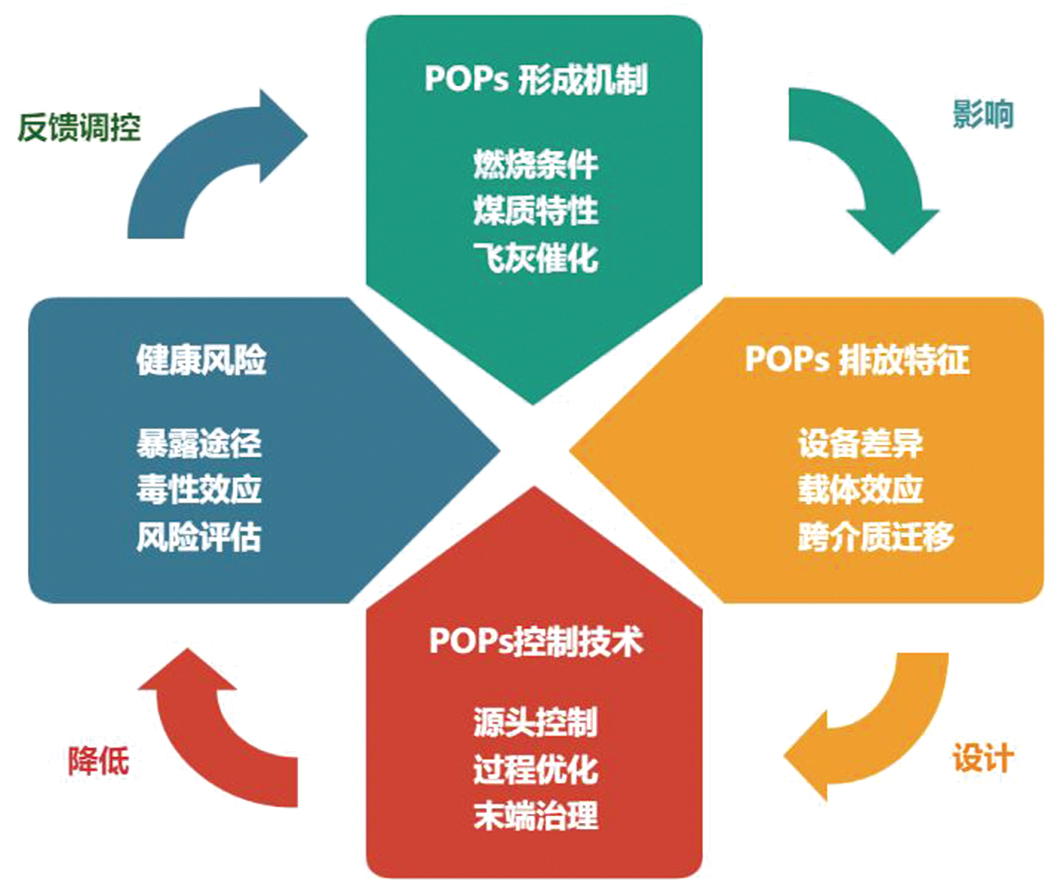
Fig.2
Schematic of the low rank coal pyrolysis mechanism[29]"
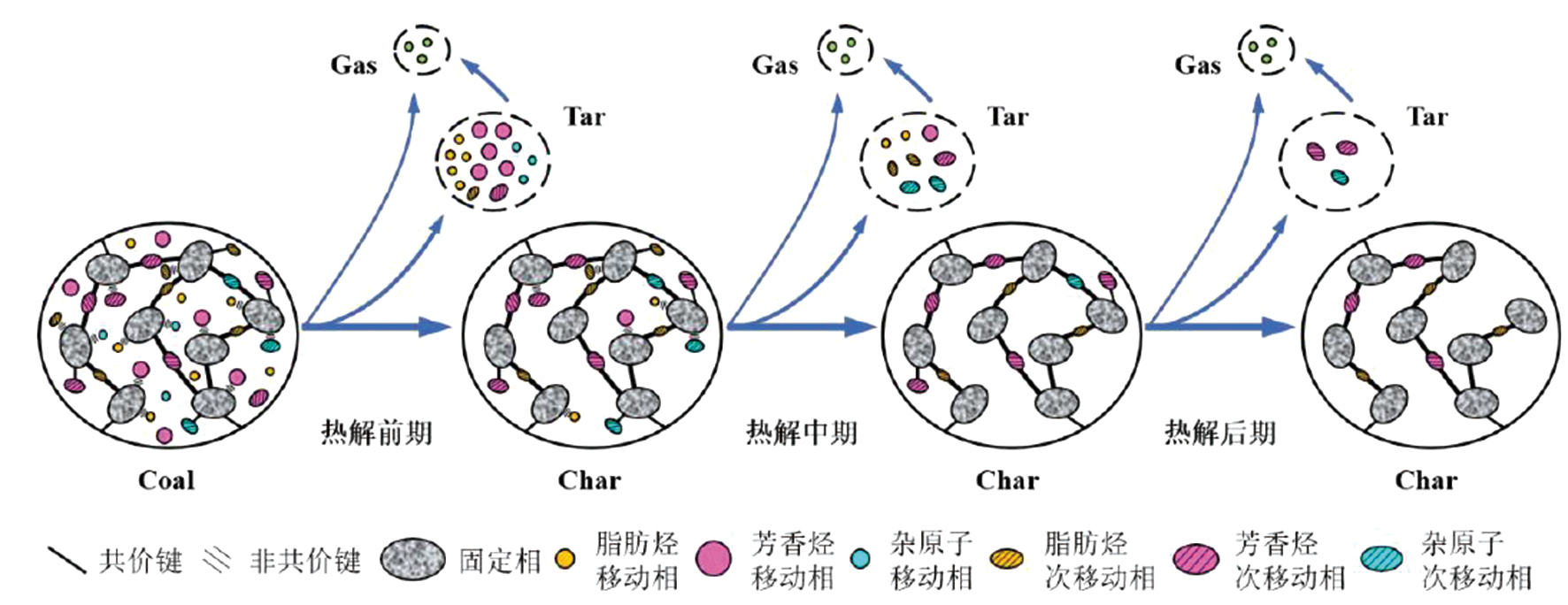
Fig.3
Distribution of PAHs with different ring numbers[10]"
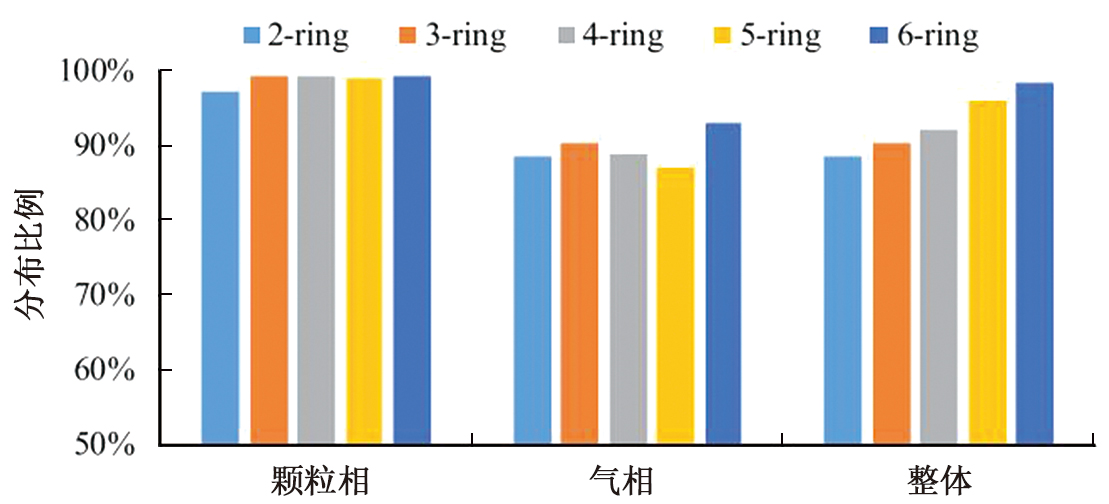
Fig.4
Homologous distributions of Cl-PAHs and Br-PAHs in flue gas samples from multiple industries[48]"
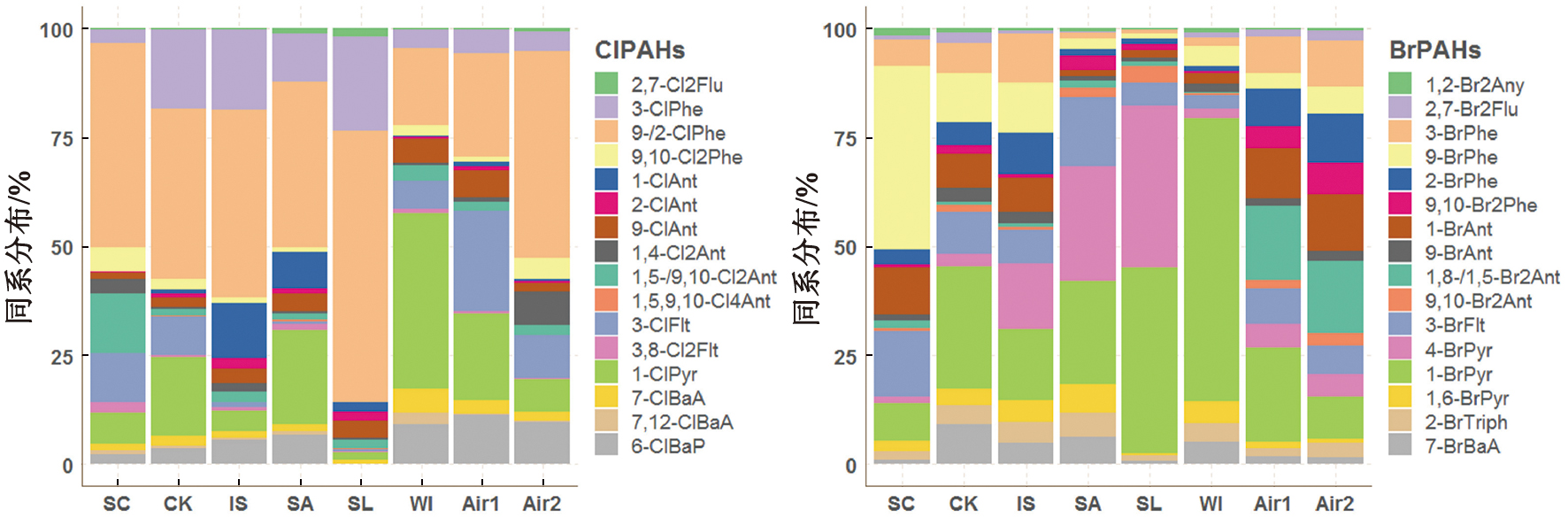
Fig.5
Relative contents of three aromatic hydrocarbons during the Huainan and Yima coal pyrolysis at 450 ℃, 550 ℃, and 650 ℃[37]"
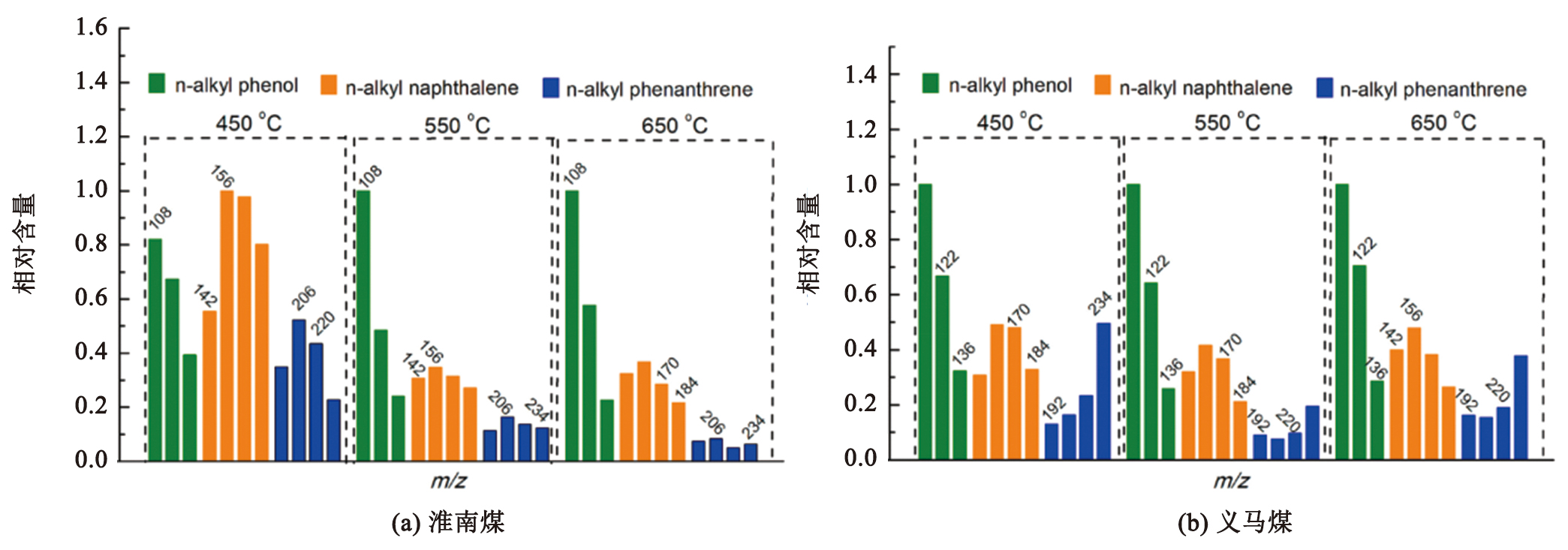
Fig.6
Study on adsorption removal[25]"
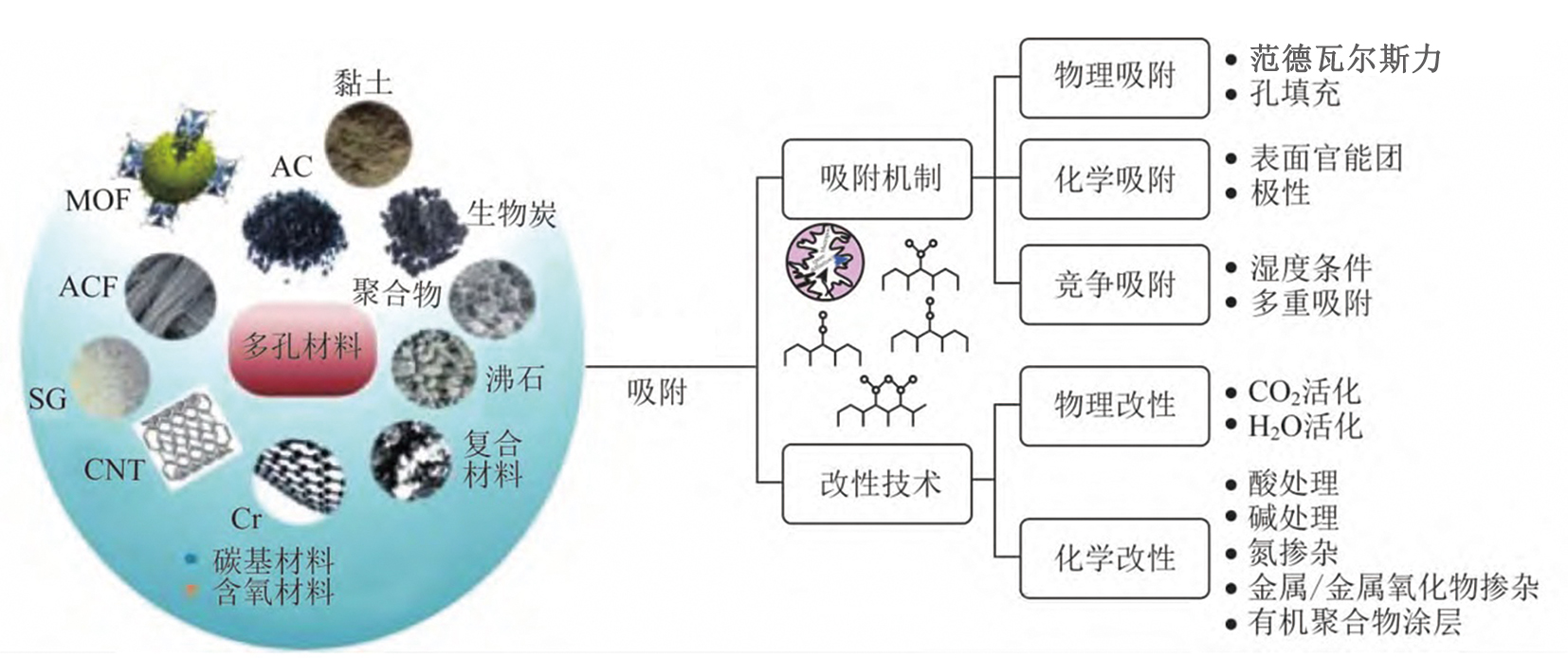
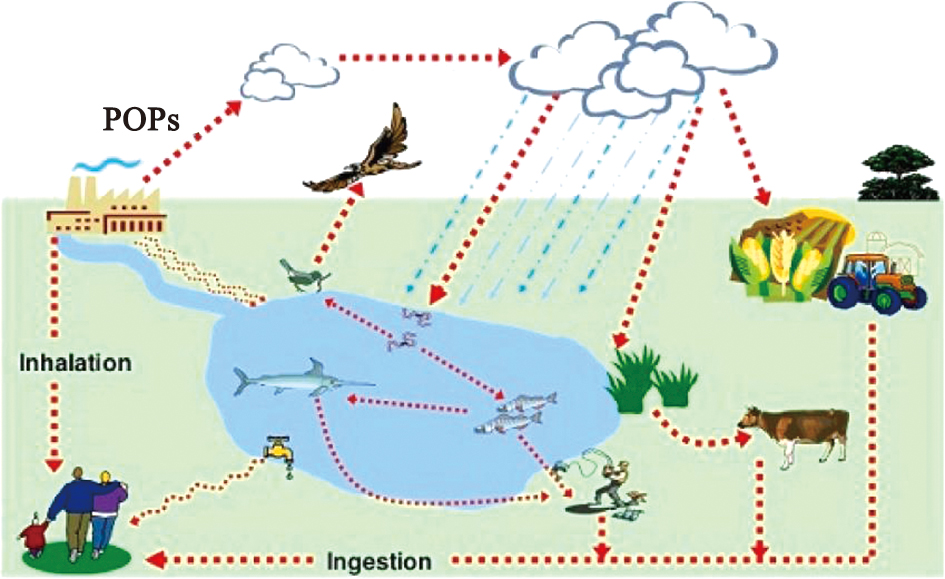
Fig.7
Migration of persistent organic pollutants in the environment[57]"
| [1] | PETROVIĆ M, FIKET Ž. Environmental damage caused by coal combustion residue disposal: A critical review of risk assessment methodologies[J]. Chemosphere, 2022, 299: 134410. DOI: 10.1016/j.chemosphere.2022.134410. |
| [2] | 刘征涛. 持久性有机污染物的主要特征和研究进展[J]. 环境科学研究, 2005, 18(3): 93-102. DOI: 10.13198/j.res.2005.03.95.liuzht.022. |
| [3] | 刘惠永, 孙志宽, 孙俊民, 等. 燃煤排放正构烷烃类有机化合物的特征与形成演化机理研究[J]. 热能动力工程, 2003, 18(1): 35-38. |
| [4] | WU X L, LIU W B, GAO H F, et al. Coordinated effects of air pollution control devices on PAH emissionsin coal-fired power plants and industrial boilers[J]. Science of the Total Environment, 2021, 756: 144063. DOI: 10.1016/j.scitotenv.2020.144063. |
| [5] | XU J Y, LYU Y, ZHUO J K, et al. Formation and emission characteristics of VOCs from a coal-fired power plant[J]. Chinese Journal of Chemical Engineering, 2021, 35: 256-264. DOI: 10.1016/j.cjche.2021.02.015. |
| [6] | WANG R W, YOUSAF B, SUN R Y, et al. Emission characterization and δ13C values of parent PAHs and nitro-PAHs in size-segregated particulate matters from coal-fired power plants[J]. Journal of Hazardous Materials, 2016, 318: 487-496. DOI: 10.1016/j.jhazmat.2016.07.030. |
| [7] | MASTRAL A M, CALLÉN M S, GARCÍA T. Polycyclic aromatic hydrocarbons and organic matter associated to particulate matter emitted from atmospheric fluidized bed coal combustion[J]. Environmental Science & Technology, 1999, 33(18): 3177-3184. DOI: 10.1021/es990241a. |
| [8] | HAYASHI J, KAWAKAMI T, TANIGUCHI T, et al. Control of molecular composition of tar by secondary reaction in fluidized-bed pyrolysis of a subbituminous coal[J]. Energy & Fuels, 1993, 7(1): 57-66. DOI: 10.1021/ef00037a011. |
| [9] | WORNAT M J, SAROFIM A F, LONGWELL J P. Changes in the degree of substitution of polycyclic aromatic compounds from pyrolysis of a high-volatile bituminous coal[J]. Energy & Fuels, 1987, 1(5): 431-437. DOI: 10.1021/ef00005a010. |
| [10] | LU C M, DAT N D, LIEN C K, et al. Characteristics of fine particulate matter and polycyclic aromatic hydrocarbons emitted from coal combustion processes[J]. Energy & Fuels, 2019, 33(10): 10247-10254. DOI: 10.1021/acs.energyfuels.9b02201. |
| [11] | JIN R, LIU G R, JIANG XX, et al. Profiles, sources and potential exposures of parent, chlorinated and brominated polycyclic aromatic hydrocarbons in haze associated atmosphere[J]. Science of The Total Environment, 2017, 593: 390-398. DOI: 10.1016/j.scitotenv.2017.03.134. |
| [12] | PERGAL M M, POPOVIĆ A R. Polycyclic aromatic hydrocarbons: Temperature driven formation and behavior during coal combustion in a coal-fired power plant[J]. Energy & Fuels, 2013, 27(10): 6273-6278. DOI: 10.1021/ef401467z. |
| [13] | ZHOU C, XI W, YANG L, et al. Chlorine emission characteristics and control status of coal-fired units[J]. Energy Reports, 2022, 8: 51-58. DOI: 10.1016/j.egyr.2021.11.129. |
| [14] | 倪秀峰, 王儒威, 蔡飞旋, 等. 燃煤电厂和垃圾焚烧电厂燃烧产物中卤代多环芳烃的赋存特征和毒性风险[J]. 环境科学, 2021, 42(4): 1660-1667. DOI: 10.13227/j.hjkx.202007298. |
| [15] | JAKUBEK T, KASPERA W, LEGUTKO P, et al. How to efficiently promote transition metal oxides by alkali towards catalytic soot oxidation[J]. Topics in Catalysis, 2016, 59(10): 1083-1089. DOI: 10.1007/s11244-016-0595-x. |
| [16] | JIA H Q, XING Y, ZHANG L G, et al. Progress of catalytic oxidation of typicalchlorined volatile organic compounds (CVOCs): A review[J]. Science of The Total Environment, 2023, 865: 161063. DOI: 10.1016/j.scitotenv.2022.161063. |
| [17] | SONG Z J, YU S X, LIU H, et al. Carbon/chlorinate deposition on MnOx-CeO2 catalyst in chlorobenzene combustion: The effect of SCR flue gas[J]. Chemical Engineering Journal, 2022, 433: 133552. DOI: 10.1016/j.cej.2021.133552. |
| [18] | LIN F W, XIANG L, ZHANG Z M, et al. Comprehensive review on catalytic degradation of Cl-VOCs under the practical application conditions[J]. Critical Reviews in Environmental Science and Technology, 2022, 52(3): 311-355. DOI: 10.1080/10643389.2020.1818490. |
| [19] | 孟柯, 杨甲甲, 樊芸, 等. 烟气中氯代芳构化合物催化氧化的研究进展[J]. 环境化学, 2024, 43(10):3434-3447. DOI:10.7524/j.issn.0254-6108.2023042402. |
| [20] | WU Y J, XU Z Y, HUANG X L, et al. A typical 300 MW ultralow emission coal-fired power plant: Source, distribution, emission, and control of polycyclic aromatic hydrocarbons[J]. Fuel, 2022, 326: 125052. DOI: 10.1016/j.fuel.2022.125052. |
| [21] | XU Y, HU J L, YING Q, et al. Current and future emissions of primary pollutants from coal-fired power plants in Shaanxi, China[J]. Science of The Total Environment, 2017, 595: 505-514. DOI: 10.1016/j.scitotenv.2017.03.267. |
| [22] | CANLI O, GÜZEL B, ÖKTEM OLGUN E, et al. Evaluation of hexabromocyclododecane (HBCD), polybrominated dibenzo-p-dioxins/furans (PBDD/Fs) and polychlorinated dibenzo-p-dioxins/furans (PCDD/Fs) outflows during the destruction of HBCD wastes in a hazardous waste incinerator[J]. Science of The Total Environment, 2024, 927: 172317. DOI: 10.1016/j.scitotenv.2024.172317. |
| [23] | ZHONG H, LYU HH, WANG Z Q, et al. Application of dissimilatory iron-reducing bacteria for the remediation of soil and water polluted with chlorinated organic compounds: Progress, mechanisms, and directions[J]. Chemosphere, 2024, 352: 141505. DOI: 10.1016/j.chemosphere.2024.141505. |
| [24] | HUANG Y J, LIN B S, LEE C L, et al. Enrichment behavior of contemporary PAHs and legacy PCBs at the sea-surface microlayer in harbor water[J]. Chemosphere, 2020, 245: 125647. DOI: 10.1016/j.chemosphere.2019.125647. |
| [25] | 赵梓舒, 左欣, 赵丹, 等. VOCs末端治理技术进展及在燃煤电站烟气净化的应用思考[J]. 洁净煤技术, 2022, 28(2): 54-66. DOI: 10.13226/j.issn.1006-6772.VOCs21122001. |
| [26] | BOSTROM CE, GERDE P, HANBERG A, et al. Cancer risk assessment, indicators, and guidelines for polycyclic aromatic hydrocarbons in the ambient air[J]. Environmental Health Perspectives, 2002, 110 (suppl 3): 451-489. http://ehpnet1.niehs.nih.gov/docs/2002/suppl-3/451-489bostrom/abstract.html. |
| [27] | CHRISTIANSEN J V, FELDTHUS A, CARLSEN L. Flash pyrolysis of coals. Temperature-dependent product distribution[J]. Journal of Analytical and Applied Pyrolysis, 1995, 32: 51-63. DOI: 10.1016/0165-2370(94)00826-M. |
| [28] | LI X, MATUSCHEK G, HERRERA M, et al. Investigation of pyrolysis of Chinese coals using thermal analysis/mass spectrometry[J]. Journal of Thermal Analysis and Calorimetry, 2003, 71(2): 601-612. DOI: 10.1023/A:1022820329954. |
| [29] | 陈逸峰. 典型低阶煤热解过程有机结构演化及含氮组分反应机理[D]. 武汉: 华中科技大学, 2023. DOI: 10.27157/d.cnki.ghzku.2023.004976. |
| [30] | 曹景沛, 姚乃瑜, 庞新博, 等. 煤热解研究进展及其发展历程[J]. 化工进展, 2024, 43(7): 3620-3636. DOI: 10.16085/j.issn.1000-6613.2024-0753. |
| [31] | OHURA T, FUJIMA S, AMAGAI T, et al. Chlorinated polycyclic aromatic hydrocarbons in the atmosphere: Seasonal levels, gas-particle partitioning, and origin[J]. Environmental Science & Technology, 2008, 42(9): 3296-3302. DOI: 10.1021/es703068n. |
| [32] | YAN J H, YOU X F, LI X D, et al. Performance of PAHs emission from bituminous coal combustion[J]. Journal of Zhejiang University: Science A, 2004, 5(12): 1554-1564. DOI: 10.1631/jzus.2004.1554. |
| [33] | 武小琳. 典型热过程中POPs排放特征及生成机制研究[D]. 北京: 中国科学院大学, 2021. |
| [34] |
BABUSHOK V I, TSANG W. Gas-phase mechanism for dioxin formation[J]. Chemosphere, 2003, 51(10): 1023-1029. DOI: 10.1016/S0045-6535(02)00716-6.
pmid: 12718966 |
| [35] | 魏新鲜, 钱枫, 孙晓, 等. 燃烧条件对燃煤过程多环芳烃生成特征的影响[J]. 现代化工, 2017, 37(2): 90-94. DOI: 10.16606/j.cnki.issn0253-4320.2017.02.020. |
| [36] | PANDELOVA M, LENOIR D, SCHRAMM K W. Correlation between PCDD/F, PCB andPCBz in coal/waste combustion. Influence of various inhibitors[J]. Chemosphere, 2006, 62(7): 1196-1205. DOI: 10.1016/j.chemosphere.2005.07.068. |
| [37] | JIA L Y, WENG JJ, WANG Y, et al. Online analysis of volatile products from bituminous coal pyrolysis with synchrotron vacuum ultraviolet photoionization mass spectrometry[J]. Energy & Fuels, 2013, 27(2): 694-701. DOI: 10.1021/ef301670y. |
| [38] | MASTRAL A M, CALLÉN M S, GARCIA T. Toxic organic emissions from coal combustion[J]. Fuel Processing Technology, 2000, 67(1): 1-10. DOI: 10.1016/S0378-3820(00)00088-6. |
| [39] | LEDESMA E B, KALISH M A, NELSON P F, et al. Formation and fate of PAH during the pyrolysis and fuel-rich combustion of coal primary tar[J]. Fuel, 2000, 79(14): 1801-1814. DOI: 10.1016/s0016-2361(00)00044-2. |
| [40] | 赵煊赫, 李珊, 吴鹏, 等. 韩家湾煤及其热解半焦中多环芳烃分布特征研究[J]. 煤炭转化, 2023, 46(2): 1-9. DOI: 10.19726/j.cnki.ebcc.202302001. |
| [41] | 李津津, 陈扉然, 马修卫, 等. 燃煤有机污染物排放及其控制技术研究展望[J]. 化工进展, 2019, 38(12): 5539-5547. DOI: 10.16085/j.issn.1000-6613.2019-0380. |
| [42] | CHEN T, LI X D, YAN J H, et al. Polychlorinated biphenyls emission from a medical waste incinerator in China[J]. Journal of Hazardous Materials, 2009, 172(2/3): 1339-1343. DOI: 10.1016/j.jhazmat.2009.07.147. |
| [43] | KIM M S, LEE S, PARK M, et al. Region-specific characterization and ecotoxicity assessment of PAH compounds in winter PM2.5 from three capital cities in Northeast Asia[J]. Journal of Hazardous Materials, 2025, 494: 138536. DOI: 10.1016/j.jhazmat.2025.138536. |
| [44] | JI K L, SUN B, ZHOU H J, et al. Impacts of COVID-19 lockdown on PM2.5-bound polycyclic aromatic hydrocarbons in Hohhot, Northern China: Characteristics, sources, and source-specific health risks[J]. Environmental Health, 2025, 24(1): 5. DOI: 10.1186/s12940-025-01161-y. |
| [45] | CHEN H R, SHANG NN, ZHAO C, et al. Factors influencing particle-water partition and ecological risks of polycyclic aromatic hydrocarbons in the Yangtze River mainstream[J]. Environmental Pollution, 2025, 379: 126523. DOI: 10.1016/j.envpol.2025.126523. |
| [46] | DUAN X L, LI J K, LI Y J, et al. Accumulation of typical persistent organic pollutants and heavy metals in bioretention facilities: Distribution, risk assessment, and microbial community impact[J]. Environmental Research, 2024, 252: 119107. DOI: 10.1016/j.envres.2024.119107. |
| [47] | XIE J Q, TAO L, WU Q, et al. Environmental profile, distributions and potential sources of halogenated polycyclic aromatic hydrocarbons[J]. Journal of Hazardous Materials, 2021, 419: 126164. DOI: 10.1016/j.jhazmat.2021.126164. |
| [48] | JIN R, LIU G R, ZHENG M H, et al. Secondary copper smelters as sources of chlorinated and brominated polycyclic aromatic hydrocarbons[J]. Environmental Science & Technology, 2017, 51(14): 7945-7953. DOI: 10.1021/acs.est.7b02031. |
| [49] | JIN R, ZHENG M H, LAMMEL G, et al. Chlorinated and brominated polycyclic aromatic hydrocarbons: Sources, formation mechanisms, and occurrence in the environment[J]. Progress in Energy and Combustion Science, 2020, 76: 100803. DOI: 10.1016/j.pecs.2019.100803. |
| [50] |
HUANG C, XU X, WANG D H, et al. The aryl hydrocarbon receptor (AhR) activity and DNA-damaging effects of chlorinated polycyclic aromatic hydrocarbons (Cl-PAHs)[J]. Chemosphere, 2018, 211: 640-647. DOI: 10.1016/j.chemosphere.2018.07.087.
pmid: 30098559 |
| [51] | GUO L, ZHANG X Y, LUO D Y, et al. Population-level effects of polychlorinated biphenyl (PCB) exposure on highly vulnerable Indo-Pacific humpback dolphins from their largest habitat[J]. Environmental Pollution, 2021, 286: 117544. DOI: 10.1016/j.envpol.2021.117544. |
| [52] | JIANG S, WAN MM, LIN K, et al. Spatiotemporal distribution, source analysis and ecological risk assessment of polychlorinated biphenyls (PCBs) in the Bohai Bay, China[J]. Marine Pollution Bulletin, 2024, 198: 115780. DOI: 10.1016/j.marpolbul.2023.115780. |
| [53] | 官贞珍, 潘卫国, 郭瑞堂, 等. 国内外燃煤电厂二恶英排放及控制[J]. 燃烧科学与技术, 2020, 26(5): 423-429. |
| [54] | SU F C, LI Y, XU Q X, et al. High resolution residential emission inventory and relationships between urban residential emissions and incomes in megacity Zhengzhou, China[J]. Environmental Pollution, 2025, 380: 126553. DOI: 10.1016/j.envpol.2025.126553. |
| [55] | HE W C, FEI X W, GUO H, et al. Ecological risk assessment and source identification of potential toxic elements in farmland soil of Nanyang basin, China[J]. Toxics, 2025, 13(5): 342. DOI: 10.3390/toxics13050342. |
| [56] | 赵楚轩, 欧阳成政, 李英明, 等. 卤代多环芳烃研究进展:来源、毒性、环境概况和分析方法[J]. 分析测试学报, 2024, 43(8):1154-1165. DOI:10.12452/j.fxcsxb.24052774. |
| [57] | IGHALO J O, YAP P S, IWUOZOR K O, et al. Adsorption of persistent organic pollutants (POPs) from the aqueous environment by nano-adsorbents: A review[J]. Environmental Research, 2022, 212: 113123. DOI: 10.1016/j.envres.2022.113123. |
| [58] | WU K Q, YAO YY, MENG Y H, et al. Long-term atmosphere surveillance (2016—2021) of PM2.5-bound polycyclic aromatic hydrocarbons and health risk assessment in Yangtze River Delta, China[J]. Exposure and Health, 2024, 16(2): 489-502. DOI: 10.1007/s12403-023-00572-x. |
| [1] | LI Jing, JIANG Na, DONG Yuan, WANG Jinye, MENG Jingjing. Research oncorrelations between variations in PM2.5 and O3 concentrations and impacts of meteorological factors in Liaocheng from 2019 to 2023 [J]. Shandong Science, 2026, 39(1): 133-143. |
| [2] | ZHANG Wen-juan,XIA Zhi-yong,SUN Feng-juan,WANG Zhi-fei,LI Min,BIAN Meng,WANG Zai-feng. Chemical composition evolution of particulate matter in persistent heavy-air pollution in Jinan [J]. Shandong Science, 2022, 35(3): 100-106. |
| [3] | NING Shun-li, HONG Si-yuan, SHEN Shi-long, YU Yan-ming, LI Lei. Gas generation process in sludge-municipal solid waste mixed landfill [J]. Shandong Science, 2021, 34(5): 104-112. |
| [4] | SUN Feng-juan, LU Bo, ZHANG Wen-juan, LI Min, WANG Gui-xia, FU Hua-xuan. Analysis of air pollution meteorological conditions in Jinan in January 2014 [J]. Shandong Science, 2021, 34(3): 90-99. |
| [5] | WU Yun-qing, TAO Yu-ting, ZHANG Yun-peng, MA Jing. Spatial-Temporal evolution of national air pollutants based on DMSP/OLS data [J]. Shandong Science, 2020, 33(2): 97-105. |
| [6] | DING Na, CHEN Ya-Lin, WANG Qing-Fen. Application of AERMOD in the prediction of regional air quality [J]. J4, 2011, 24(4): 58-63. |
|
||

Open Access This article is licensed under a Creative Commons Attribution-NonCommercial 4.0 International License (CC BY-NC 4.0), which permits third parties to freely share (i.e., copy and redistribute the material in any medium or format) and adapt (i.e., remix, transform, or build upon the material) the articles published in this journal, provided that appropriate credit is given, a link to the license is provided, and any changes made are indicated. The material may not be used for commercial purposes. For details of the CC BY-NC 4.0 license, please visit: https://creativecommons.org/licenses/by-nc/4.0
