Shandong Science


Evolution of the river regime and strategies for the management of the Yellow River Section from Bailongwan to the Lanjia River in Binzhou, China

CHONG fatong,ZHAO xiaodong,ZHONG chuanli*   

  1. Construction Center of Shandong Yellow River Conservancy Bureau, Jinan 250011, China
  • Received:2025-02-10 Accepted:2025-04-10 Published:2025-11-13 Online:2025-11-13
  • Contact: ZHONG chuanli E-mail:493380592@qq.com

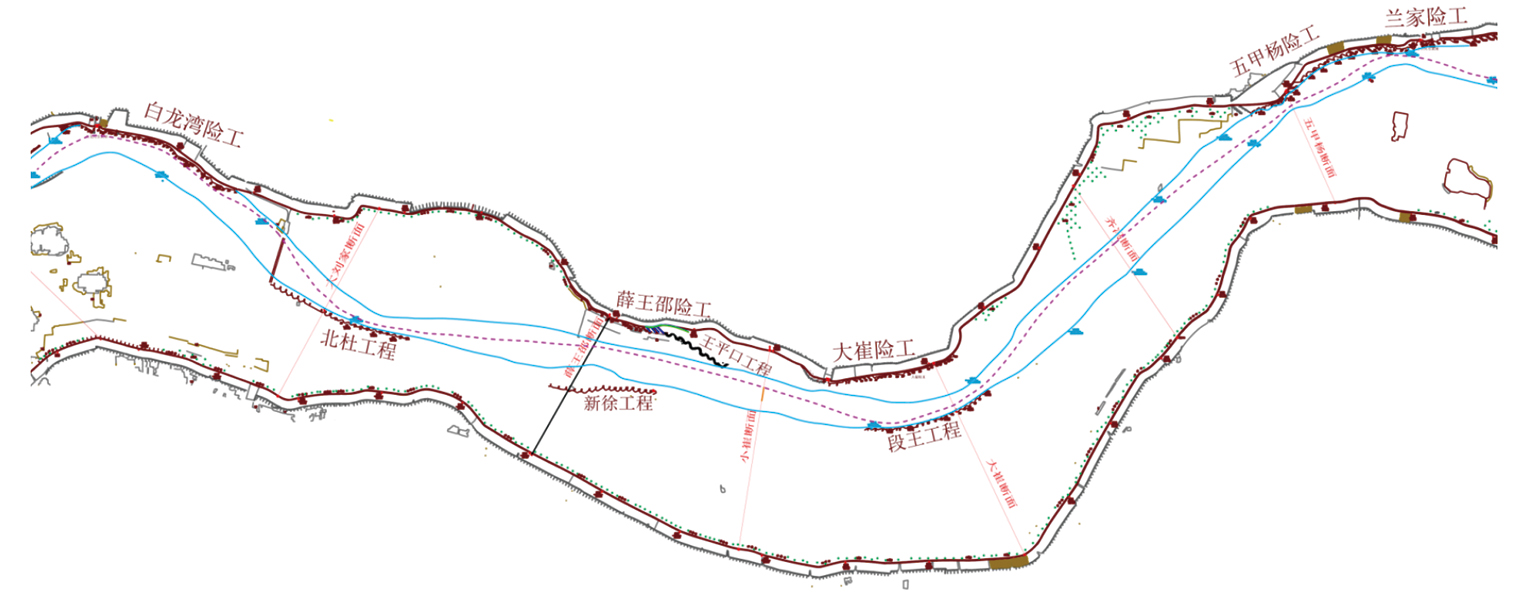
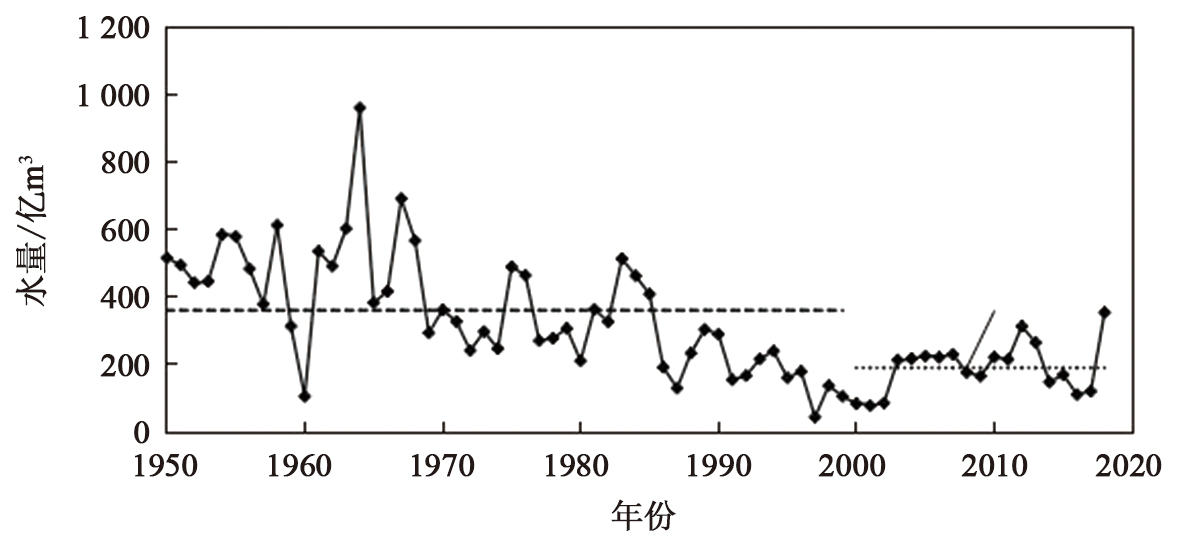
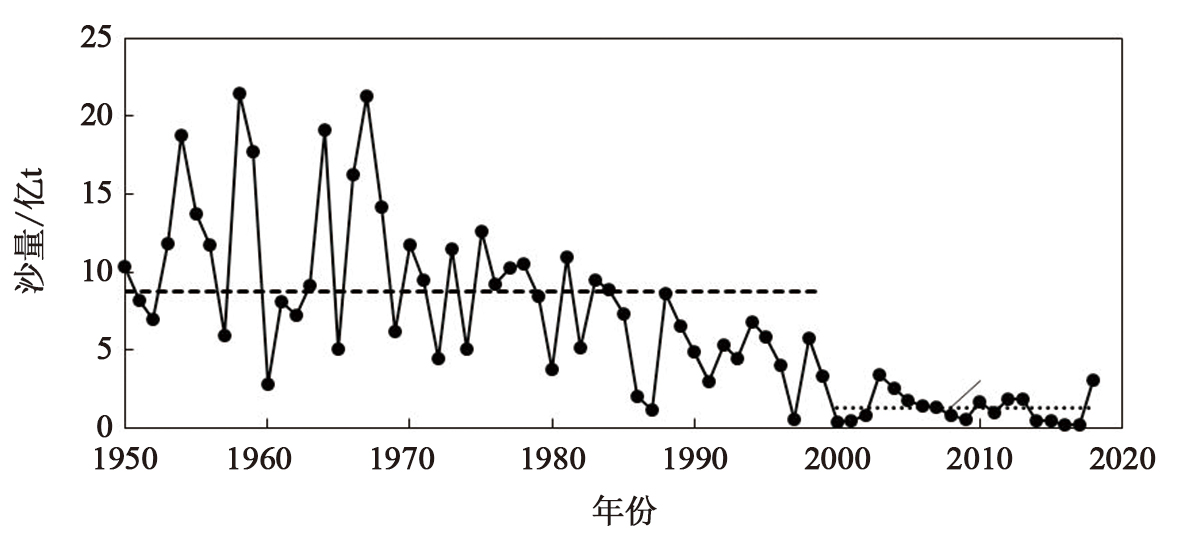
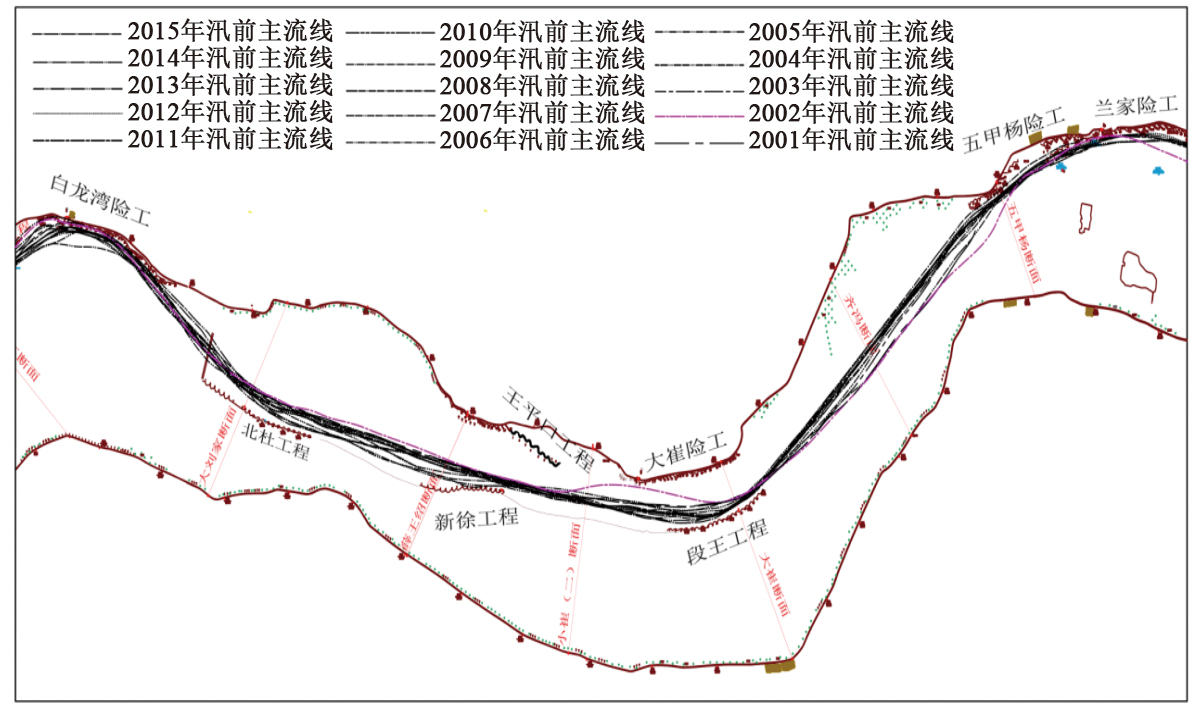
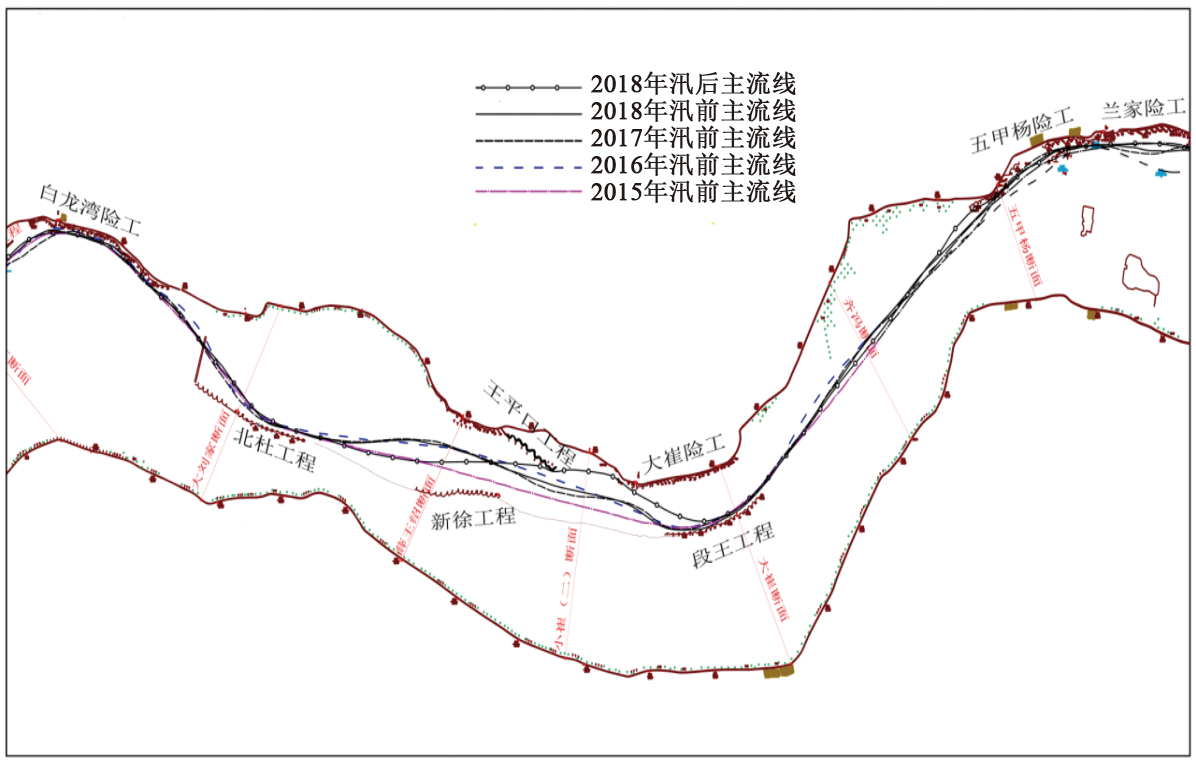
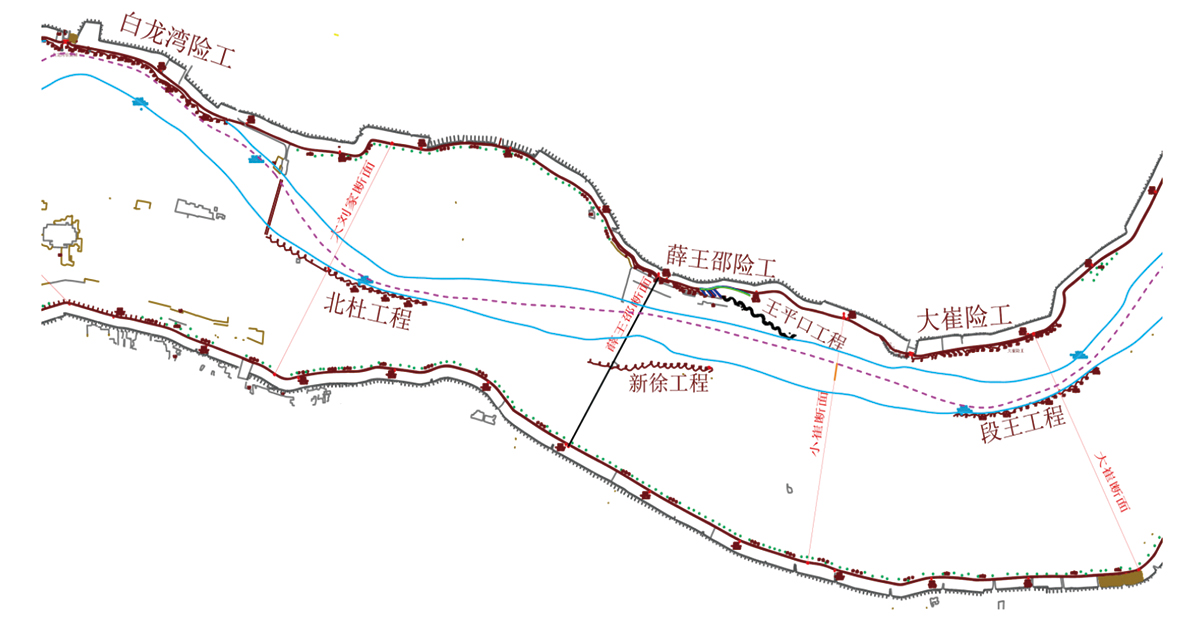
Abstract: The section of the Yellow River from Bailongwan to the Lanjia River in Binzhou, China, is a curved section of the lower reaches of the Yellow River. In recent years, notable changes in the river regime have occurred due to alterations in water and sediment conditions. In certain sections, the mainstream lines have shifted leftward, posing a threat to the safety of the levees. Through data analysis, field investigations and measurements, and basic theoretical analysis, this study focuses on the channel evolution in this reach since the operation of the Xiaolangdi Reservoir and proposes corresponding management strategies. The study shows that the changes in the mainsteam lines are the primary cause of the leftward river regime migration and that flood events during the rainy season further intensify the river’s swing. In response to the river regime changes, multiple management strategies are proposed, such as extending five spur dikes downstream of the Bailongwan risk control project and extending three spur dikes downstream of the Wangpingkou guiding structure, to enhance the project’s flow-guiding capacity and reduce the hazards of the “cross-river” and “oblique-river” flows to the levees.

Key words: lower reaches of the Yellow River, curved river section, hydrological regime, river regime adjustment mechanism, management strategies

CLC Number: 

  • TV85

Open Access This article is licensed under a Creative Commons Attribution-NonCommercial 4.0 International License (CC BY-NC 4.0), which permits third parties to freely share (i.e., copy and redistribute the material in any medium or format) and adapt (i.e., remix, transform, or build upon the material) the articles published in this journal, provided that appropriate credit is given, a link to the license is provided, and any changes made are indicated. The material may not be used for commercial purposes. For details of the CC BY-NC 4.0 license, please visit: https://creativecommons.org/licenses/by-nc/4.0